Skin After Rapid Weight Loss: Treatments for Volume Loss and Sagging
Restoring volume, firmness and skin quality after a big change

Rapid weight loss, whether from diet, surgery or GLP-1 medicines, can leave the face looking hollow, tired or loose. Fat pads shrink faster than skin can adapt, so cheeks flatten and the jawline softens. The good news is that several non-surgical treatments can help. Here is how to match treatments to what has changed.
Key takeaways
- Why it happens: facial fat shrinks faster than skin can tighten.
- Volume loss: collagen stimulators or HA filler can restore support.
- Loose skin: RF or ultrasound lifting can tighten.
- Skin quality: boosters such as Rejuran or Juvelook help thin, dull skin.
- Timing: many doctors suggest waiting until weight is stable.
Matching treatments to changes
| What changed | Treatments often considered |
|---|---|
| Hollow cheeks or temples | Sculptra, Juvelook Volume or HA filler |
| Soft jawline and jowls | Ultherapy, Thermage, thread lift |
| Thin, crepey skin | Rejuran, Juvelook, skin boosters |
| Dull, tired look | Skin boosters, laser toning, hydration treatments |

Why timing matters
If weight is still changing, results from filler or lifting may look different a few months later. Many doctors suggest waiting until your weight has been stable for a while, then starting with skin quality and gradual collagen building before adding volume.
A typical step-by-step plan
| Step | Focus |
|---|---|
| 1 | Skin quality: boosters such as Rejuran or Juvelook |
| 2 | Firmness: RF or ultrasound lifting |
| 3 | Volume: collagen stimulators or HA filler where needed |
| 4 | Maintenance: periodic boosters and lifting |
Typical costs in Seoul (2026)
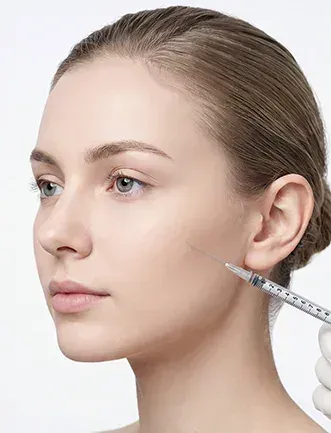
Costs depend on the plan. Skin boosters are commonly a few hundred thousand won per session, lifting treatments around ₩1,000,000 or more, and collagen stimulators or filler priced per vial or syringe.
Approximate guide from publicly listed 2026 prices. A doctor can suggest a plan and budget.
Questions to ask before you book
- Is my weight stable enough to start treatment?
- Is my main issue volume, laxity or skin quality?
- Which treatment should come first?
- What budget and timeline should I plan?
Related reading
Related reading
Quick summary
Rapid weight loss, including with GLP-1 medicines, can cause facial hollowing and sagging. A step-by-step plan, starting with skin quality, then firmness, then volume, often works well once weight is stable.
Frequently asked questions
Why does my face look older after weight loss?
Facial fat shrinks faster than skin can tighten, causing hollowing and sagging.
Which treatment helps hollow cheeks?
Collagen stimulators such as Sculptra or Juvelook Volume, or HA filler.
Can lifting help loose skin after weight loss?
Yes. RF and ultrasound lifting can tighten mild to moderate laxity.
Should I wait before treatment?
Many doctors suggest waiting until weight has been stable for a while.
Is this related to GLP-1 medicines?
Any rapid weight loss can cause it; GLP-1 medicines are one common cause.
This article is general information, not medical advice. Suitability, treatment choice, results and price should be confirmed by a doctor at consultation, and individual results vary. Price ranges are approximate and may change.
Rapid weight loss, whether from diet, surgery or GLP-1 medicines, can leave the face looking hollow, tired or loose. Fat pads shrink faster than skin can adapt, so cheeks flatten and the jawline softens. The good news is that several non-surgical treatments can help. Here is how to match treatments to what has changed.