Rejuran Healer Downtime: Day-by-Day Recovery and Aftercare
A realistic recovery timeline so you can plan work, events and travel

Rejuran Healer is injected in many small points across the face, so small bumps and some redness are expected afterwards. For most people, these settle within one to three days. Knowing the typical timeline helps you plan around work, events or a flight. Here is what usually happens, day by day.
Key takeaways
- Bumps: small raised bumps are normal and usually settle within 1–3 days.
- Redness: often fades within hours to a day.
- Bruising: possible in some spots; can last up to about a week.
- Makeup: usually from the next day.
- Results: skin often looks healthier within 1–2 weeks and improves with a series.
Rejuran recovery timeline
| Time | What usually happens |
|---|---|
| Same day | Small bumps at injection points; mild redness and tenderness |
| Day 1 | Bumps start to flatten; makeup usually possible |
| Days 2–3 | Most bumps settle; skin may feel slightly firm |
| Up to 1 week | Any small bruises fade |
| 1–2 weeks | Skin often looks calmer and more hydrated |
Planning around events and travel
| Event | Suggested timing |
|---|---|
| Important event or photos | Book at least a week before |
| Return to work | Often the next day, with makeup |
| Long-haul flight | Usually fine the next day; stay hydrated |
| Intense exercise or sauna | Wait about 1–2 days |
Aftercare tips
- Do not rub or massage the treated area for a day.
- Avoid alcohol, saunas and hot baths for about a day.
- Use gentle cleansing, moisturiser and sunscreen.
- Skip strong actives such as retinoids or acids for a few days.
- Contact your clinic if you notice increasing pain, heat or swelling.
Ways to reduce downtime
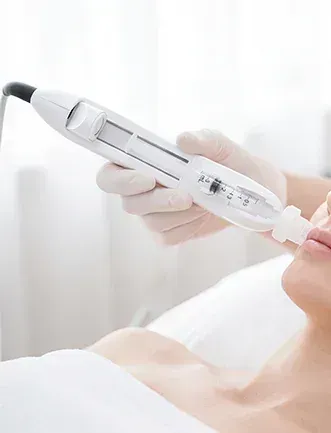
Some clinics offer device-assisted delivery or a different injection technique that can reduce visible bumps. Rejuran HB, which contains lidocaine and hyaluronic acid, may also feel more comfortable. Ask which method suits your schedule.

Questions to ask before you book
- What downtime should I expect with your method?
- Can you use a technique with fewer visible bumps?
- When can I wear makeup and exercise?
- How many sessions do you recommend?
Related reading
Quick summary
After Rejuran Healer, small bumps and redness usually settle within one to three days, and any bruises fade within about a week. Makeup is usually possible from the next day. Book at least a week before important events.
Frequently asked questions
How long do Rejuran bumps last?
Usually one to three days.
Can I wear makeup after Rejuran?
Usually from the next day.
When can I exercise?
Most clinics suggest waiting about one to two days.
Will I bruise?
Small bruises are possible and usually fade within a week.
Is there a way to reduce bumps?
Some techniques and devices can reduce visible bumps; ask your clinic.
This article is general information, not medical advice. Suitability, treatment choice, results and price should be confirmed by a doctor at consultation, and individual results vary. Price ranges are approximate and may change.
Rejuran Healer is injected in many small points across the face, so small bumps and some redness are expected afterwards. For most people, these settle within one to three days. Knowing the typical timeline helps you plan around work, events or a flight. Here is what usually happens, day by day.